

Self-Compassion: An Antidote to Shame After Relationship Trauma
Relationship trauma often leaves people feeling emotionally stuck, self-critical, or disconnected from themselves. Many don’t immediately name this experience as trauma—but instead describe a deep sense of shame. According to psychologist Christopher Germer, shame a protective response that develops when emotional pain occurs in close relationships and support is limited or unsafe.

Somatic Therapy for Trauma: Reconnecting With Your Body After Survival
If you’ve lived through trauma, you may already know that healing isn’t just a “mind” process—your body remembers, too. Many trauma survivors describe feeling stuck in survival mode, even when life is “fine” on the surface. Somatic therapy offers a gentle, body-based path forward that helps you release what your nervous system has been holding.

When Caring Hurts: Understanding Trauma and Burnout in Healthcare Workers
If you work in healthcare, you may have been taught to push through, stay composed, and “just handle it.” But your nervous system remembers every code, every loss, every scary moment, every impossible decision, and every shift where you couldn’t meet your own needs. This is more than burnout. For many healthcare workers, it’s trauma.

When the Holidays Feel Hard — Understanding Trauma Triggers During the Season
The holidays are often described as joyful, warm, and full of connection. But for many people—especially those who have lived through trauma—this time of year can feel heavy, overwhelming, or emotionally complicated. The holidays can activate old memories, nervous system responses, and emotional patterns you thought you’d moved past.

Why Healthy Relationships Can Feel Uncomfortable After Trauma
If you’ve ever met someone kind, patient, or emotionally available — and instead of feeling safe, you feel anxious, doubtful, or overwhelmed — you’re not crazy, and you’re not “too damaged.” This reaction is incredibly common for people who have lived through relationship trauma. In fact, healthy love can feel unfamiliar or even threatening when your nervous system has learned to survive in unsafe environments.
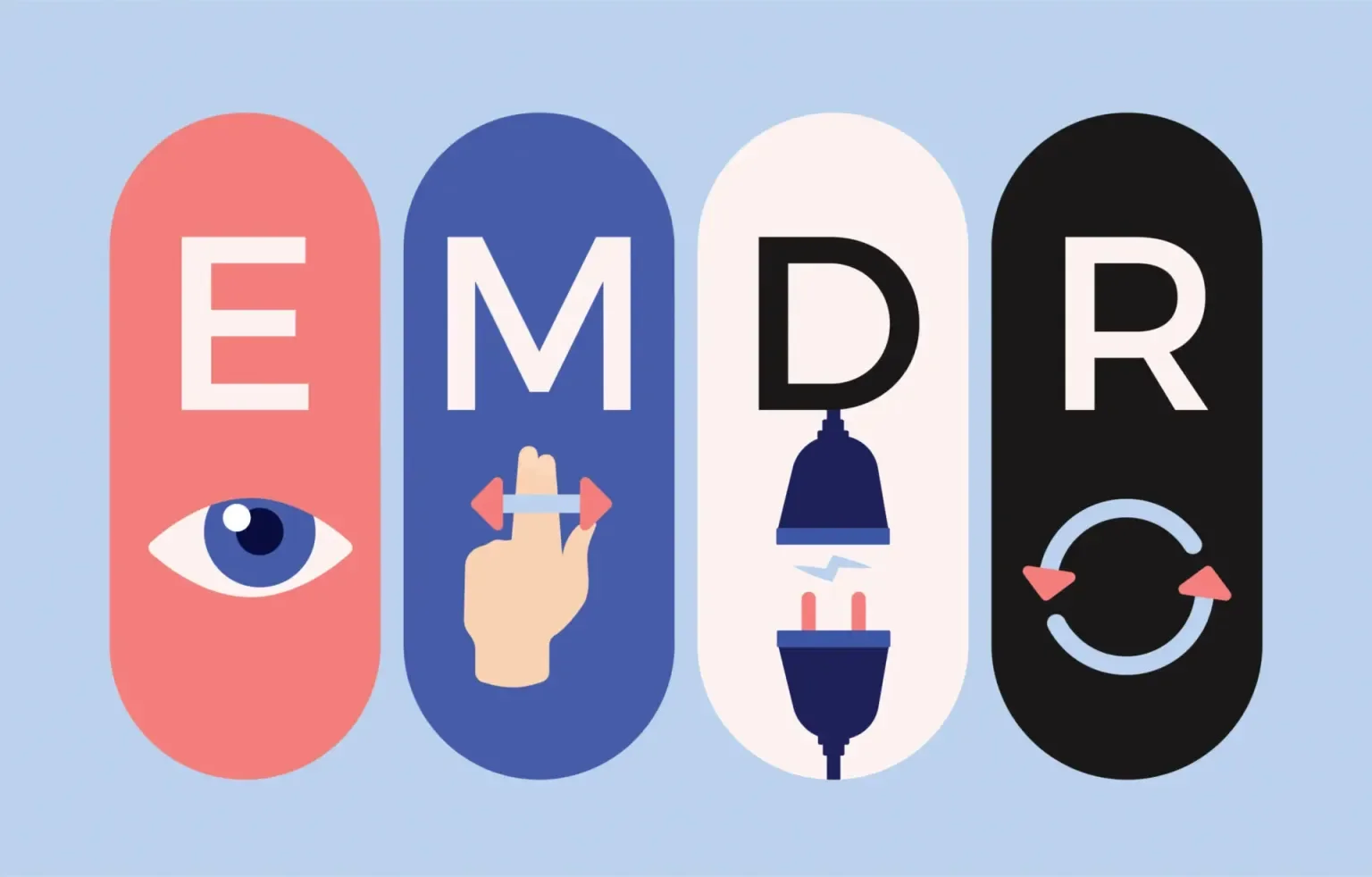
EMDR Therapy: How It Helps You Heal From Trauma (and How It Works Online)
Trauma can leave you feeling stuck—emotionally, physically, and mentally. Even years after a distressing event, your body may react as if the danger is still present. You may experience anxiety, intrusive memories, nightmares, emotional numbness, or a sense that you’re “on edge” all the time. If this sounds familiar, EMDR therapy may be an effective option.

PTSD Symptoms After a Car Accident — What’s Normal and When to Seek Help
Car accidents are one of the most common causes of trauma in Michigan, especially in busy areas. Even if the accident seemed “minor,” the emotional impact can last long after the physical injuries heal. If you’ve been struggling since a car crash, you’re not alone — and your reactions make sense.

Trauma Responses Explained: Fight, Flight, Freeze, and Fawn
Trauma responses are automatic survival instincts your body developed to protect you during overwhelming or unsafe experiences. They’re not “overreactions” — they’re learned patterns that once kept you safe. Understanding these responses can help you make sense of behaviors, emotions, and reactions that feel confusing.

Signs You Grew Up With Emotional Neglect
Growing up in a home where your emotional needs weren’t seen, supported, or understood can leave lasting wounds — even if nothing “big” or dramatic happened. Emotional neglect is one of the most overlooked forms of childhood trauma because it’s defined by what didn’t happen, not what did. If you’ve ever felt confused about why relationships, boundaries, or emotions feel difficult, emotional neglect may be part of the story.

What are the Different Types of PTSD treatment?
Post-traumatic stress disorder (PTSD) can deeply affect daily life, relationships, and your sense of safety. The good news is that PTSD treatment works. With the right approach, people can regain control, feel safer, and move forward after trauma. This guide explains the most effective PTSD treatments in clear, simple language—so you know what to expect and how to take the next step toward healing.

What is PTSD?
Post-traumatic stress disorder (PTSD) is a serious mental health condition that can affect anyone who has been through a traumatic or frightening experience. Although PTSD can feel overwhelming, the condition is treatable, and recovery is absolutely possible with the right support. In this blog post, we’ll explore what PTSD is, its symptoms, and why it develops.